Conflict Market

“Conflict Market” Research Article
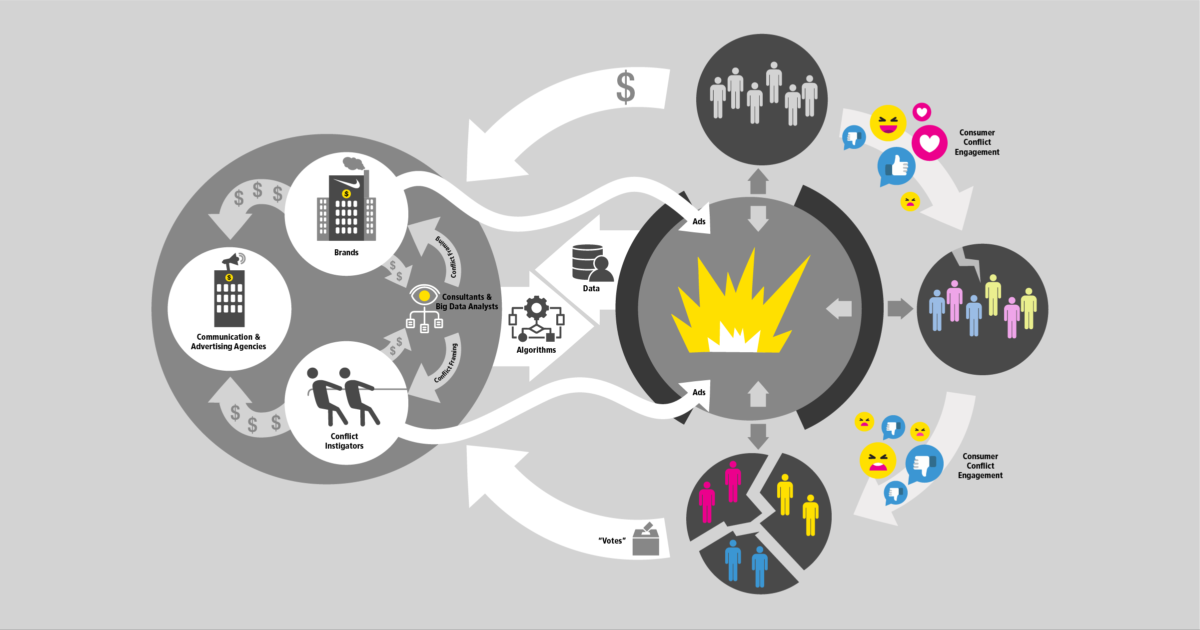
Conflict Market - Sofia Ulver

Here you can read my first introduction of the ‘Conflict Market’ as a notion published in Journal of Consumer Culture 2022. The abstract reads:

“At the beginning of the millennium, consumer culture researchers predicted that people
would increasingly demand that marketplace actors subscribe to contemporary ethics of
liberal democracy. Although their prediction indeed came true, they did not foresee that
an algorithm-powered media ecosystem in combination with growing authoritarian
movements would soon come to fuel an increasingly polarized political landscape and
challenge the very fundament of liberal democracy per se. In this macroscopic, conceptual
article, I discuss three assumption-challenging logics—counter-democratic consumer
culture, de-dialectical algorithmic manipulation, and growing illiberal consumer
resistance—according to which the market increasingly monetizes the conflicts accompanying
this polarization and, thereby, reinforces it. I call this new logic a conflict
market and illustrate it through three, historically situated and currently conflicting,
consumer ideoscapes—the neoblue, the neogreen, and the neobrown—between which
consumers engage in marketized conflicts, not in a de-politicizing way, but in an increasingly
un-politicizing, de-dialectical, and polarizing way. At the technologically manipulated
conflict market, the role of marketers is to monetize politically sensitive topics
by creating conflict, knowingly renouncing large groups of consumers, and giving fodder
to the political extremes.”

“Tickling Tensions” Research Article in MT

In this article I go into the manifestations of what I later, in the “Conflict Market”, call the “neoblue” and “neogreen” movements  and explore how “woke” branding gives fodder to the fantasies of the “neobrown” movement. This is the abstract:

“This article explores why cultural branding – ideo-affective market communication addressing intense political tensions – paradoxically seems to lead to political inertia rather than political mobilization. I critically analyse advertising addressing political tensions related to race, ethnicity and immigration, but instead of only following the traced-out trajectory of postcolonial theory, I use the lens of Žižek’s radicalized Lacanian psychoanalysis and treat the therapeutic visuality in cultural branding as ideological fantasies of the market’s multicultural imaginary. Through critical visual methodologies, I situate four ‘multicultural’ commercials in their culture- and idea historical contexts, and juxtapose a postcolonial with a Žižekian reading for each of them. I come to argue that the market’s multicultural imaginary (unconsciously) serves important ideological functions in sustaining the political status quo not foremost because it placates anxiety, but because it doesn’t. Tapping into previous discussions in critical marketing on fetishistic disavowal and inversion, I offer yet another explanation. The political inertia following from ideo-affective dimensions of cultural branding does not primarily come from therapeutic sedation, but from the opposite, namely the parallax object’s upholding of gruesome tension and suspense; a fetishistic tickling. This article ends by critiquing the compulsory use of postcolonial theory in research on racial and ethnic relations. From the Žižekian reading, it appears that the postcolonial gaze is now a punishing agency like any dominant ideology, where the social inequality of global capitalism is deemed a more bearable alternative than the traumatic horror of visible racism, which, subsequently, closes the circuit from radical politics.”


Techtopia and Future Consumption

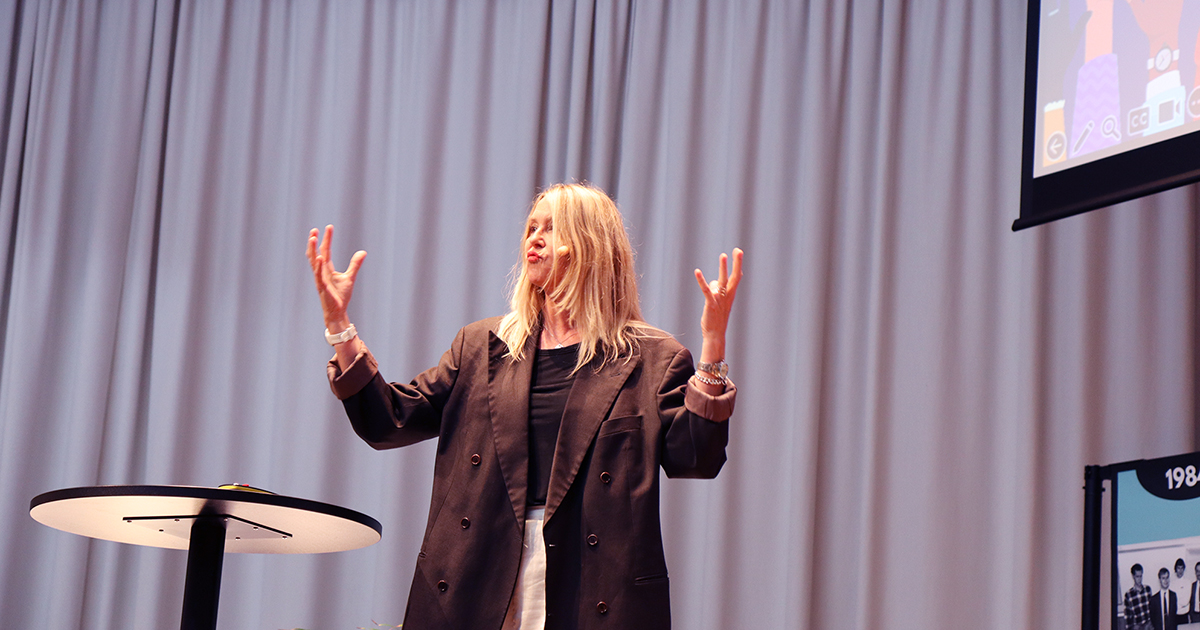
At the “Ideon Innovation Day” and Ideon Science Park’s 40-year jubilee May 31’st 2023, I had the honor (together with some iconic innovators) to speak about the idea-historical context of technology consumption.

I had great fun and went into a heated panel battle with Jonas Birgersson about how we as societies and citizens should approach the power of technology.

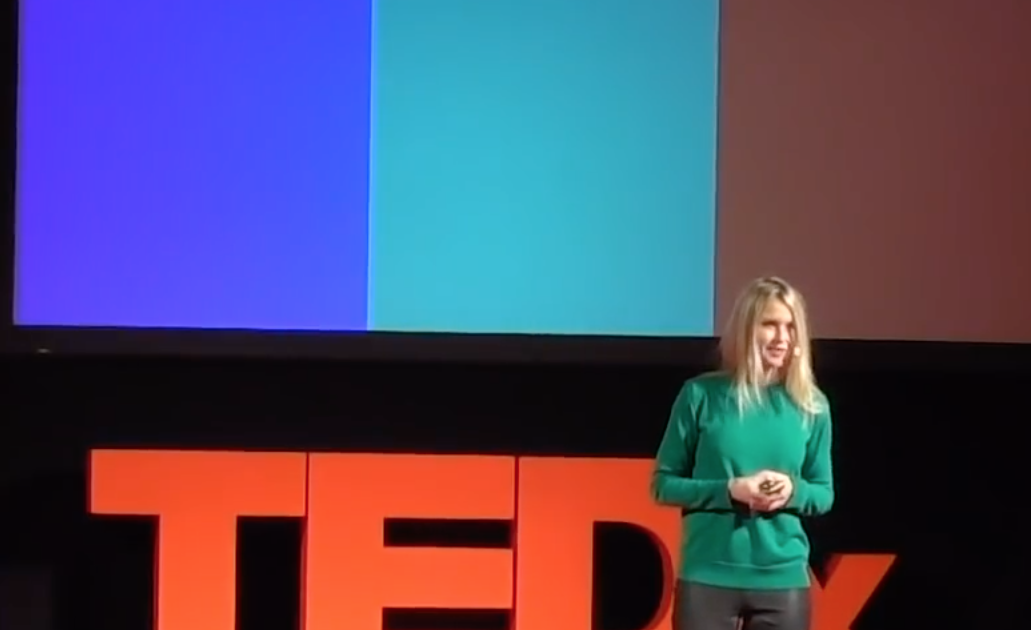
My TEDx Talk on “How Consumption Promotes Political Visions” January 2019

This TEDX talk was my first official talk about the ‘Conflict Market’.